


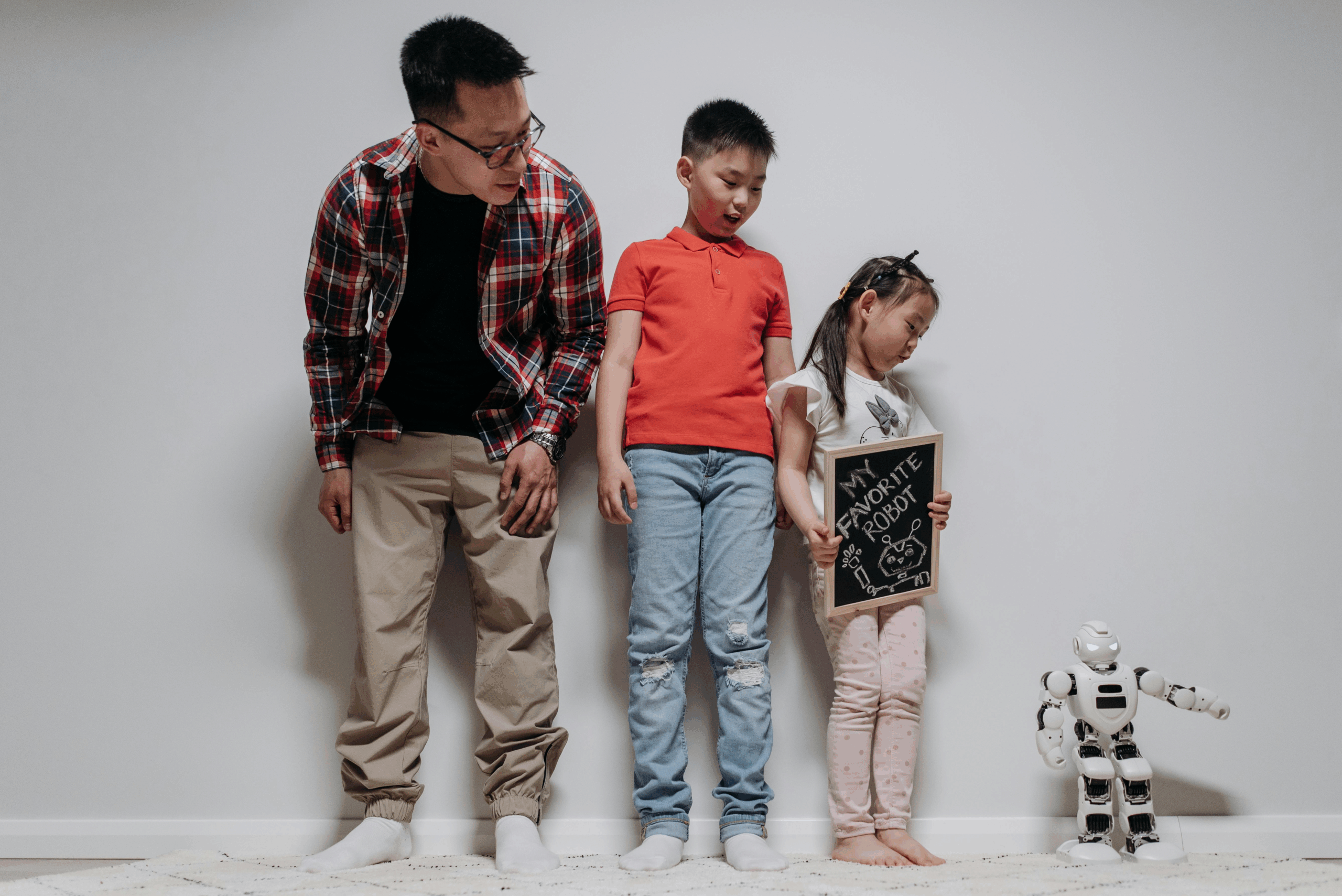
Machines can now sound empathic, remember our stories, even say “I care.” But what happens when our children—or we—start to believe them? Developmental science offers a warning: when comfort comes from code, our emotional systems mistake imitation for intimacy, and the cost to well-being can be profound.
The recent death of 16-year-old Adam Raine by suicide—and the revelation of his “conversations” with AI—is heartbreaking. As a parent and counsellor supporting families, this story moved me to put into words the dangers of courting AI as a substitute for vulnerable human connection. More than that, I want to highlight what we can do to hold onto our kids in a world that makes it harder for parents to be the answer to their kid’s emotional and relational needs.
Adam’s parents have stepped into the unimaginable—life without their son, their tragedy now painfully public. In court documents, they argue that in Adam’s darkest moments, he was influenced by AI which could not offer the comfort and care they longed to give him. My heart goes out to them, and I hope they are surrounded by the kind of togetherness that helps carry unbearable loss.
This isn’t just one boy’s story. This tragedy exposes the quiet fear many parents carry: what if my child’s cries for help go unheard—or worse, answered in ways that deepen their despair? It’s about what happens when our kid’s attachment instincts are answered by something incapable of caring back.
The Vulnerability of Adolescence
Adolescence is the loneliest stage of life according to research. We would do well to treat adolescence as a vulnerable developmental period. Teens are no longer children and not yet adults. The bridge to maturity can feel long and is fraught with confusing emotions.
It is part of the human condition to search for answers during times of uncertainty, and it is precisely in this vulnerable space that technology now offers companionship—without the capacity to truly care. What feels like connection is only a simulation. When kids are more connected to their peers than their adults, it also creates a relational void that is more likely to be filled with substitutes such as AI. The key message is we need to reclaim and hold onto our teens.
Relationships are the soil in which we grow. It’s through trusted adults—those who carry tears, guide frustration, and contain alarm—that kid’s resilience and well-being take root. When attachment instincts are bound to artificial surrogates, development is diverted. AI can mirror words, but it cannot carry the weight of our emotional worlds. It can pretend to care, but it cannot love.
When Machines Mimic Empathy
Human beings are wired for closeness. Our kids can attach not only to parents and teachers, but also to pets, stuffed animals, and even inanimate objects. This instinct is not weakness—it is survival.
The rise of AI “companions” introduces a new and troubling twist. These tools can mimic empathy. They remember details, offer soothing words, and generate responses that feel attuned. For a lonely or distressed child or teen, this can feel like someone is finally listening.
When AI performs empathy, it confuses our emotional systems. The brain registers comfort. The heart registers closeness. But the body never receives what it truly needs: cascading care. Over time, kids may orient toward these artificial relationships, opening themselves more to machines than to humans. As psychologist Sherry Turkles warns:
“Technology is seductive when what it offers meets our human vulnerabilities. We are lonely but fearful of intimacy. Digital connections may offer the illusion of companionship without the demands of friendship.”
Performative empathy doesn’t deepen resilience—it deepens isolation. What looks like care can leave us emotionally underfed and vulnerable to despair.
What Parents and Educators Can Do
Adam’s story is not only the story of one boy and one family—it is a signal to all of us. If we do not stand guard over our kids’s attachments, technology or their peers are waiting, ready to answer them, or at least tempt them with a substitute.
Our teens are vulnerable, in a season of their life where they often feel the loneliest and most confused about who they are. And when machines are taught to speak caring words without the capacity to care, they risk leaving our kids heartbreakingly alone. AI’s proper place is as a tool, not a substitute. It can support the work of relationship, but it cannot replace it.
Here are some simple steps we can take to guide our kids wisely through this new terrain:
-
Lead your kids into the AI world.
Help them see that while AI can sound caring, it isn’t relationship. Ask what they think and how they make sense of machines that mimic empathy. Anchor it in their own experience: Have you ever had a friend who seemed to care but wasn’t really there for you? -
Create and hold onto human rituals to preserve your connection.
Mealtimes, bedtime stories, after-school check-ins—simple, grounding moments where your kids can rest in your presence and be reminded who their best bet is. -
Set limits and guard against influence.
Decide when and how AI tools are used, and be clear that they are tools, not companions.
Developmental science gives us both insight and hope. It shows that relationships remain the most powerful context for growth and healing, even in a digital world. Our task is not to fear technology, but to keep creating the conditions where our children can grow into their full humanity—soft hearts, strong attachments, and the emotional rest that allows love to lead the way.
AI will reshape our world. What’s required from us is steadfast vigilance to prevent it from becoming the answer to our kid’s—or our own—emotional needs. There is nothing as seductive, or as dangerous, as something that almost works when it comes to matters of the human heart.
Nourishing relationships don’t enslave us; they release us from the hunger to be connected, valued, and seen by those we love most. Only true attachment frees our emotional systems and allows us to feel safe, find words for our experiences, and heal our hearts, and grow.
AI may mirror care—but only humans can hold a heart.
Copyright — Deborah MacNamara, PhD, is a developmentalist and author of Rest, Play, Grow, and Nourished. She is on Faculty at the Neufeld Institute, and translates developmental science into insight — and everyday practice for the adults who care for kids.


